
NY's Independence Avenues


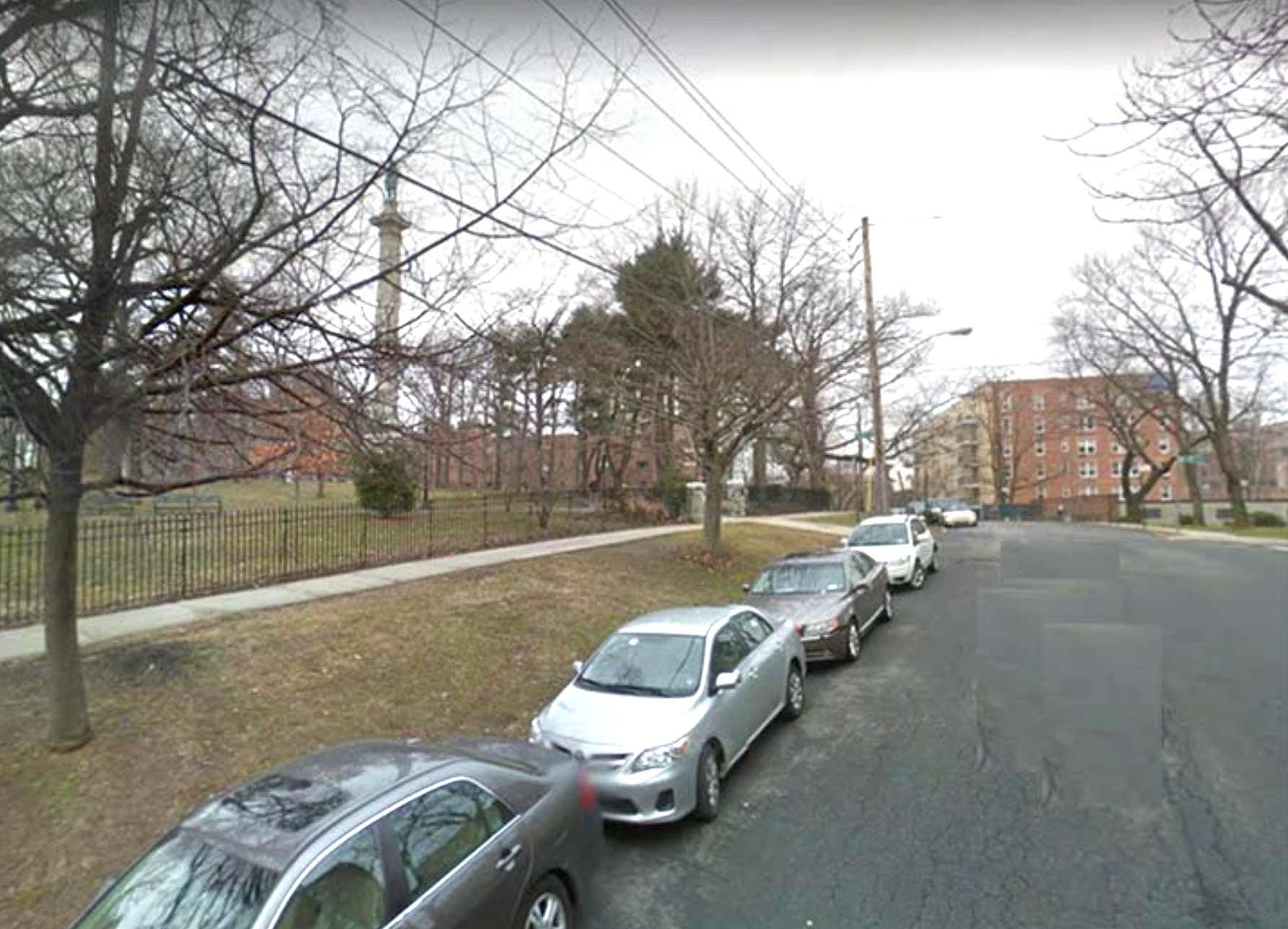
There are three Independence Avenues in New York City, a lengthy one and two short ones. The first one, depicted above, runs through the far northern Bronx in Spuyten Duyvil and Riverdale, running through both urban and rural territory. It begins at Palisade Avenue at Henry Hudson Park and runs north in narrow and wide sections to just past West 247th Street and then from Spaulding Lane north past Wave Hill to a dead end past West 24th Street; there is also a short pice at the end of Arlington Avenue. Independence Avenue is quite wide in spots, and a trickle through the woods in others.
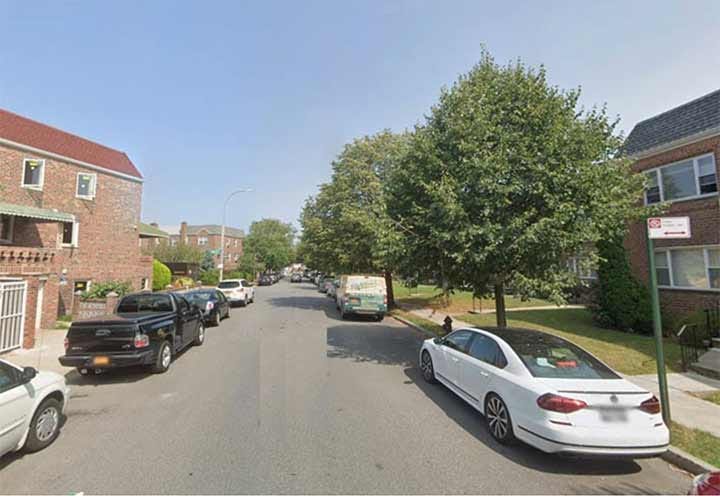
Meanwhile, in Brooklyn’s Bath Beach, patriotically-named Independence Avenue runs in two pieces, one from Bay 8th Street to 15th Avenue, and another between 15th and 16th Avenues between Cropsey Avenue and Shore Parkway. The street was built on landfill also used to support Shore Parkway and was not named or built up until after World War II. It may be a remnnt of a longer road called Warehouse Avenue.
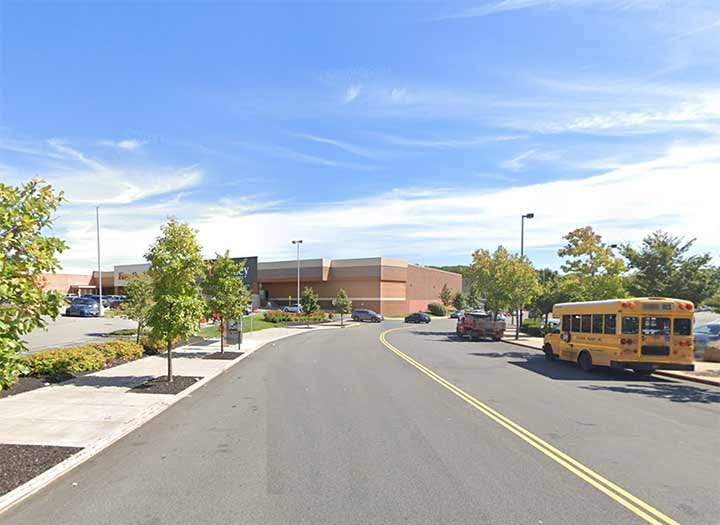
The third Independence Avenue is at the south end of the Staten Island Mall, a road connecting Richmond Avenue and Forest Hill Road.
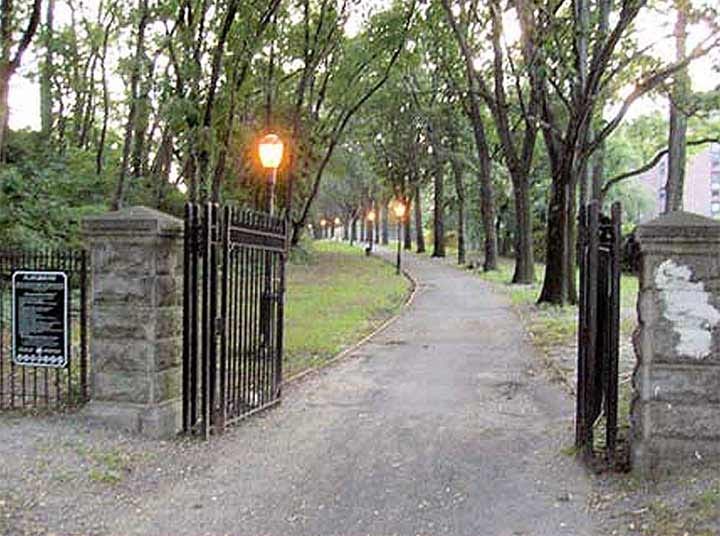
At the present time, Fort Independence Park represents the only public green space that is directly adjacent to the Jerome Park Reservoir in Van Cortlandt Village in the Bronx, running along Sedgwick Avenue between Gouverneur Avenue and West 238th Street. There’s an original gatehouse here and sticking your nose through one of the holes in the iron door produced a chlorine smell — one of the few evidences of water at the reservoir in 2009.
“As Commander-in-Chief of the Continental Army, General George Washington ordered the construction of outer defenses throughout the Kingsbridge area. Fort Independence was built under the direction of Colonel Rufus Putnam in 1776 to protect the American army and to safeguard the line of the Harlem River. An entrenchment ten feet wide and three and a half feet deep surrounded the austere fort. From its elevated position, the site commanded an extensive prospect of the surrounding countryside. In the fall of 1779, the fort was destroyed by British forces led by Sir Henry Clinton.” —NYC Parks
NYC acquired the land by condemnation in 1895 and this became a NYC park in 1915, the same year cannonballs from the old fort were unearthed. The park acquired its name with this circumstance. Fort Independence street snakes around the hills west of the reservoir.
Kevin Walsh is the webmaster of the award-winning website Forgotten NY, and the author of the books Forgotten New York (HarperCollins, 2006) and also, with the Greater Astoria Historical Society, Forgotten Queens (Arcadia, 2013)
.